


Unearthing Ancient Paths: Exploring Ancestral Spiritual Practices and Traditional Ceremonies
Índice
In a world often driven by rapid change and technological advancements, humanity continues to seek deeper meaning and connection. This enduring quest frequently leads us back to the wellspring of ancestral spiritual practices and traditional ceremonies. These time-honored paths, woven into the very fabric of human history and culture, offer profound insights, healing, and a vital link to the divine. Far from mere relics of the past, these practices remain sacred channels for individuals and communities to find balance, purpose, and a sense of belonging in their lives.
The Enduring Legacy of Spiritual Wisdom: A Journey Through Time
From the earliest cave paintings to the towering temples of ancient civilizations, the human inclination towards spirituality is undeniable. Ancestral practices are not just quaint customs; they represent a collective body of wisdom, passed down through countless generations. This heritage encompasses a holistic worldview where the natural world, the cosmos, and the human spirit are intricately intertwined. Through ritual, storytelling, and symbolic acts, these traditions have always sought to explain the inexplicable, navigate life's challenges, and foster a harmonious existence with all living things.
The beauty of ancestral spirituality lies in its diversity, reflecting the myriad cultures and environments from which it sprung. Yet, beneath this rich tapestry of unique expressions, universal themes emerge: the veneration of nature, the respect for ancestors, the pursuit of inner peace, and the profound desire for connection to something greater than oneself. Exploring these roots is not just an academic exercise; it's an invitation to reconnect with fundamental human truths that resonate deeply even in our modern context.
From Ancient Mesopotamia to Modern Day: The Timeless Appeal of Amulets and Talismans
Among the most accessible and widespread forms of ancestral spiritual practice are the use of conjuros (spells or incantations) and amulets. Conjuros are often more than just words; they are intentions charged with focused energy, spoken or thought with the purpose of manifesting a desired outcome – be it attracting positive energies, repelling negativity, or invoking blessings. The power lies in the belief, the focused will, and often the rhythmic repetition that can shift personal energy and influence one's environment.
Amulets, on the other hand, are tangible objects imbued with protective or beneficial energies. These aren't merely trinkets; they are considered sacred conduits, acting as anchors for intentions and beliefs. Historically, amulets could be anything from naturally occurring stones, bones, or rare woods, to meticulously crafted jewels, symbols, or miniature effigies. Their protective power often stems from their material, their shape, specific engravings, or the ritual by which they were consecrated. For instance, a piece of obsidian might be chosen for its grounding properties, or a four-leaf clover for its rarity and association with luck.
The historical journey of amulets is truly fascinating. Evidence of their use stretches back over 7,000 years, with some of the earliest known examples discovered in ancient Mesopotamia. These ancient cultures, recognizing the potent connection between material objects and spiritual protection, crafted items intended to ward off evil spirits, ensure fertility, protect travelers, or bring prosperity. Across ancient Egypt, the ankh symbolized life, while scarabs represented rebirth. In Norse traditions, Thor's hammer Mjolnir became a potent symbol of protection and strength. This global and enduring practice demonstrates a deep-seated human need for tangible reassurance and a belief in the ability of objects to carry spiritual significance. Today, from the Hamsa hand in the Middle East to the dreamcatcher of Native American cultures, amulets continue to offer comfort, connection, and a sense of security.
Mythology: The Blueprint of Human Experience
Beyond individual objects and spoken words, the grand narratives of mythology stand as monumental pillars of ancestral spirituality. Mythology is far more than a collection of fanciful tales; it is the philosophical and spiritual bedrock upon which cultures are built. Through the stories of gods, goddesses, heroes, and tricksters, ancient societies articulated their understanding of the cosmos, the human condition, moral imperatives, and the natural world. Each myth serves as a symbolic blueprint, transmitting profound teachings and values that are considered essential for spiritual development and societal cohesion.
Consider the expansive Greek pantheon, where gods like Zeus, Hera, and Athena embody complex human traits and cosmic forces, offering lessons on power, wisdom, love, and vengeance. Or delve into Norse mythology, with its sagas of courage, fate, and the cyclical nature of destruction and rebirth. Egyptian myths explain the sun's journey across the sky and the intricate paths of the afterlife, while indigenous mythologies around the globe often emphasize the interconnectedness of all life and humanity's stewardship of the Earth. These narratives provide archetypal frameworks that resonate with universal human experiences—love, loss, heroism, betrayal—offering guidance on how to navigate the trials and triumphs of existence.
Weaving Sacred Narratives: How Myths Shape Our Spiritual Path
For those who engage with them, myths are not just historical curiosities; they are living texts that continue to inspire and instruct. They invite introspection, helping individuals understand their own journeys through the lens of timeless sagas. By identifying with mythical figures or understanding their struggles, one can gain perspective on personal challenges, ethical dilemmas, and the pursuit of virtues. Mythology fosters a sense of cultural identity and continuity, reminding us that our personal narratives are part of a much larger, ongoing human story. It's through these sacred narratives that we uncover the profound wisdom of our ancestors, learning how they made sense of the world and how we too can find our place within it.
The Luminous Path of Mystical Arts: Tools for Self-Discovery
In tandem with mythology and ritual, the mystical arts have long provided pathways for spiritual connection and guidance. Practices such as astrology, numerology, and various forms of divination are rooted in the belief that an unseen web of connection binds the cosmos, numbers, and symbols to human life. Through the careful interpretation of these intricate patterns, practitioners aim to gain deeper understanding, foresight, and spiritual direction.
Astrology, for example, is far more complex than simple daily horoscopes. It is an ancient system that maps the positions of celestial bodies at the moment of an individual's birth (or a specific event) to understand personality traits, life patterns, challenges, and potentials. It's seen as a cosmic calendar and psychological map, offering insights into one's inherent nature and life's evolving cycles. Numerology, similarly, explores the vibrational essence of numbers associated with names, birth dates, and other significant figures. It suggests that these numbers carry specific meanings and influences, revealing aspects of one's character, life path, and destiny. Both systems provide frameworks for self-reflection and understanding the forces at play in one's life.
Unlocking Inner Wisdom Through Symbolic Interpretation
Card reading, encompassing traditions like Tarot and Oracle cards, offers another powerful avenue for intuitive guidance. These symbolic decks are not typically used for definitive fortune-telling but rather as tools for introspection, exploring potential outcomes, and stimulating intuition. Each card, rich with archetypal imagery, serves as a mirror, reflecting subconscious thoughts, feelings, and underlying dynamics of a situation. When interpreted, the cards can illuminate hidden aspects of a problem, offer alternative perspectives, or confirm inner knowing, empowering individuals to make informed decisions aligned with their higher self.
Beyond these, other mystical arts like palmistry, rune casting, or the I Ching also provide unique lenses through which to examine life's complexities. What unites all these practices is their capacity to serve as bridges between the material and the spiritual, helping individuals tap into a deeper well of wisdom—both universal and deeply personal. They encourage an active engagement with symbolism and intuition, fostering a richer, more meaningful interaction with the world.
The Role of Ritual and Ceremony in Daily Life
While often associated with grand, elaborate events, the essence of ritual and ceremony permeates even the simplest ancestral practices. A ritual is a sequence of actions or words, performed in a specific context and order, imbued with symbolic meaning and intention. Ceremonies are often larger, community-based rituals marking significant transitions or celebrations. Their purpose is multifaceted: they create sacred space, mark transitions, foster community bonding, provide comfort in times of grief, express gratitude, and allow individuals to consciously set intentions for their lives.
Consider rites of passage ceremonies, which have existed in every culture to mark significant life stages like birth, coming-of-age, marriage, and death. These rituals help individuals and communities navigate change, acknowledge growth, and integrate new roles. Seasonal festivals, such as solstices and equinoxes, connect humanity to the cycles of nature, fostering reverence for the Earth and promoting agricultural abundance. Even a simple daily meditation, lighting a candle with intention, or giving thanks before a meal can be a personal ritual, grounding one in the present moment and reinforcing spiritual connection.
Creating Sacred Space: Personalizing Your Spiritual Journey
The power of ritual lies in its ability to transform the mundane into the sacred. By performing conscious, intentional acts, we infuse our lives with deeper meaning. It's a practice that engages the body, mind, and spirit, creating a holistic experience. Modern life, with its demands and distractions, often leaves us feeling disconnected. By integrating elements of ancestral ritual into our personal lives – whether it’s a morning affirmation, a mindful walk in nature, or a family tradition – we can cultivate sacred space and time, fostering inner peace and a profound sense of connection to our heritage and the divine.
Embracing Ancestral Wisdom for a Harmonious Present
In conclusion, the rich tapestry of ancestral spiritual practices and traditional ceremonies offers an invaluable resource for contemporary seekers. From the protective power of amulets and the intentional focus of conjuros, to the profound narratives of mythology and the insightful guidance of mystical arts, these traditions are far more than historical curiosities. They are living legacies, providing powerful tools for self-discovery, community building, and spiritual nourishment. The ancient belief in the interconnectedness of all things, the reverence for nature, and the pursuit of inner harmony continue to hold immense relevance in our complex world.
By exploring and respectfully engaging with these profound practices, we not only honor the wisdom of those who came before us but also discover pathways to a more balanced, meaningful, and spiritually enriched life. These traditions invite us to look inward, connect outward, and embrace the timeless wisdom that can guide us toward a more harmonious present and future. Dive in, explore, and uncover the ancestral insights that resonate with your own spirit!
Si quieres conocer otros artículos parecidos a Prácticas espirituales y ceremonias tradicionales. puedes visitar la categoría Sabiduria Ancestral.
Horóscopo semanal del 14 al 20 de septiembre: lo que los astros tienen preparado para ti
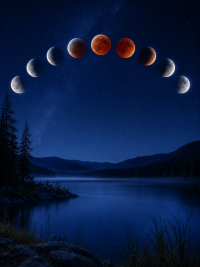
Eclipse Lunar en Piscis: el Cierre del Corredor de Agosto y su Significado Espiritual
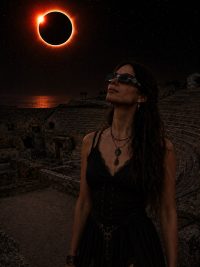
Eclipse Solar del 12 de Agosto de 2026: El Portal de Fuego de Leo y su Significado Espiritual
Subir
Deja una respuesta